Portfolio ’26
Ashad Abdullah
I code at the speed of thought.
The distance between an idea and something running is where I'm fastest — and a stranger using the thing is the only feedback I trust. So I ship the rough version early, argue with it, and let the constraints tell me what I got wrong.
Featured projects
Four things I built end to end. Each one has its own page, including the parts that did not work.
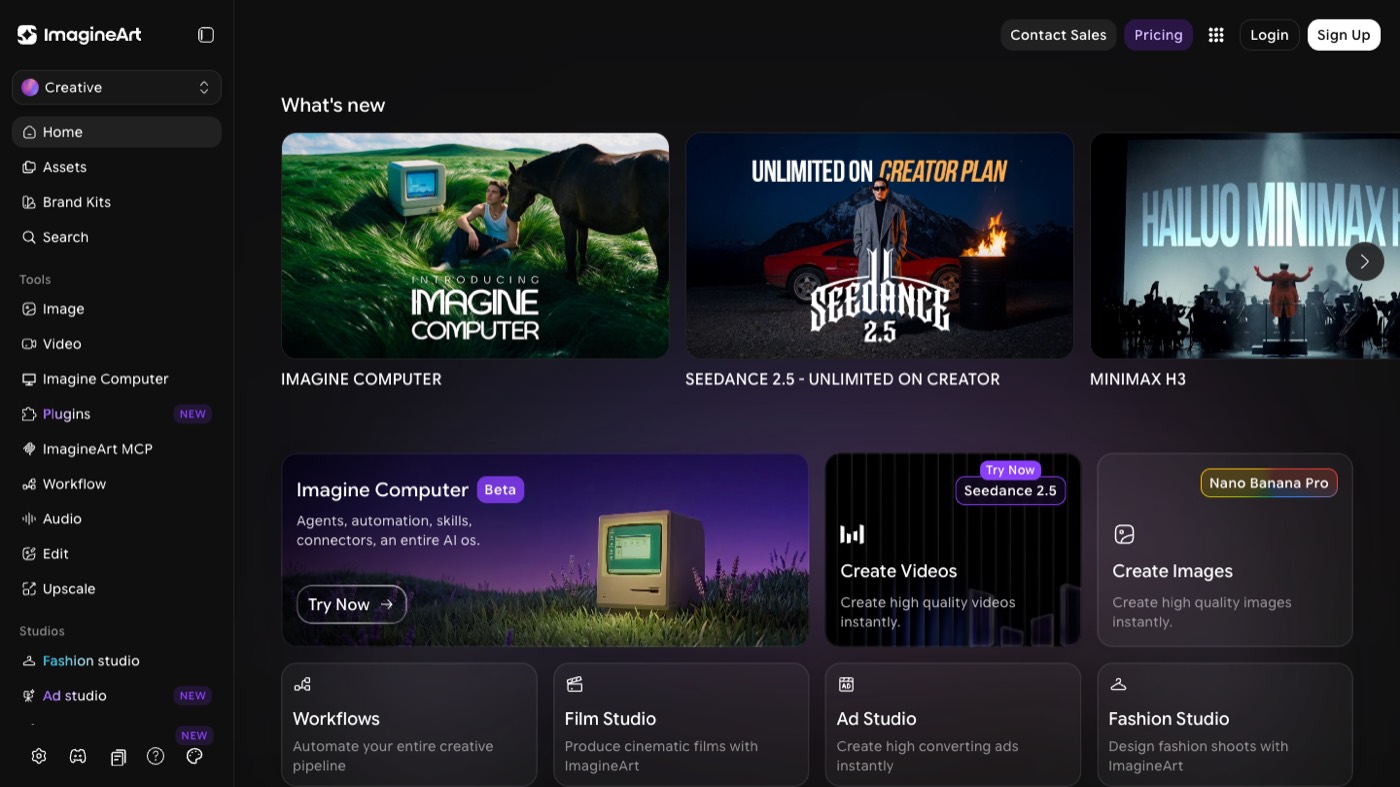 Read the story →ImagineArtPutting a generation engine everywhere the work already happens
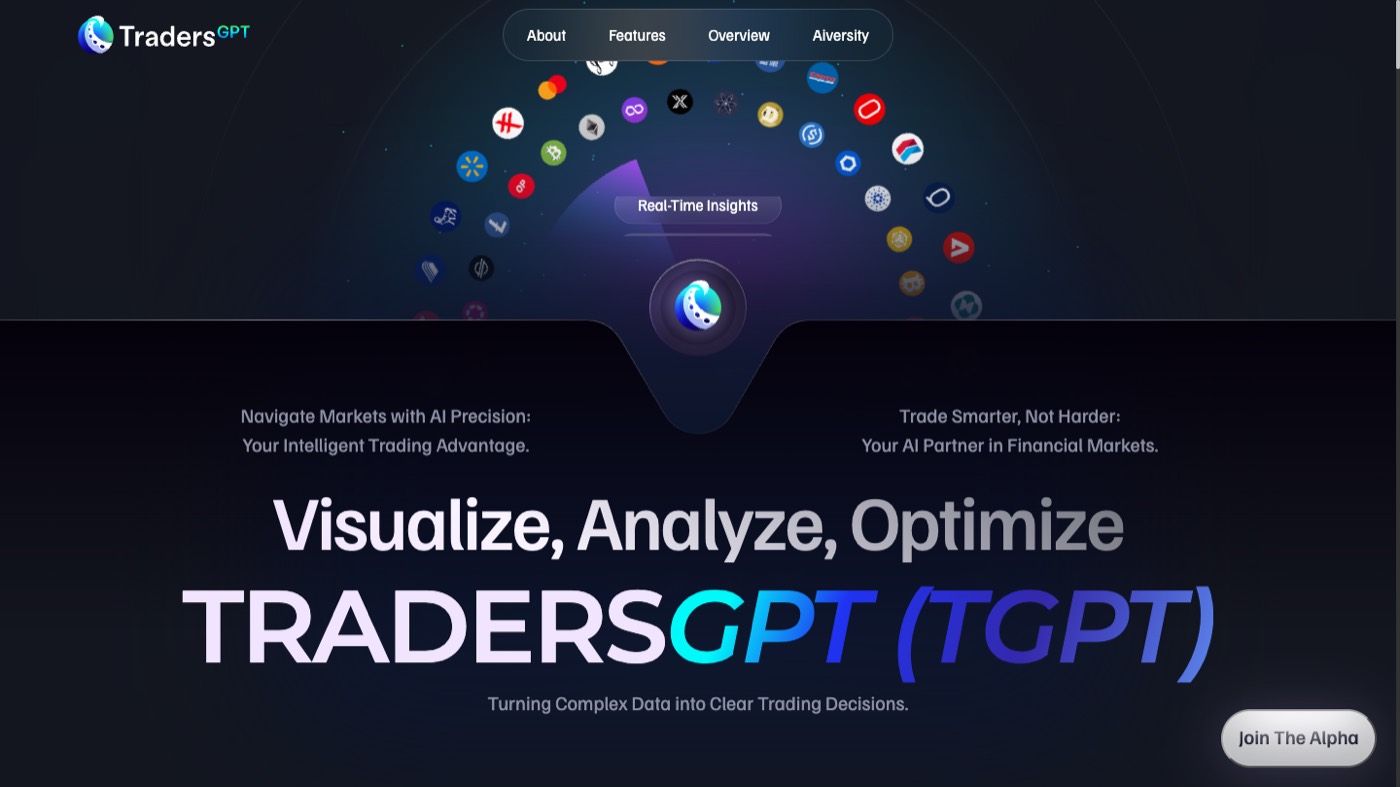 Read the story →TradersGPT120+ tools, and a routing layer that decides between them
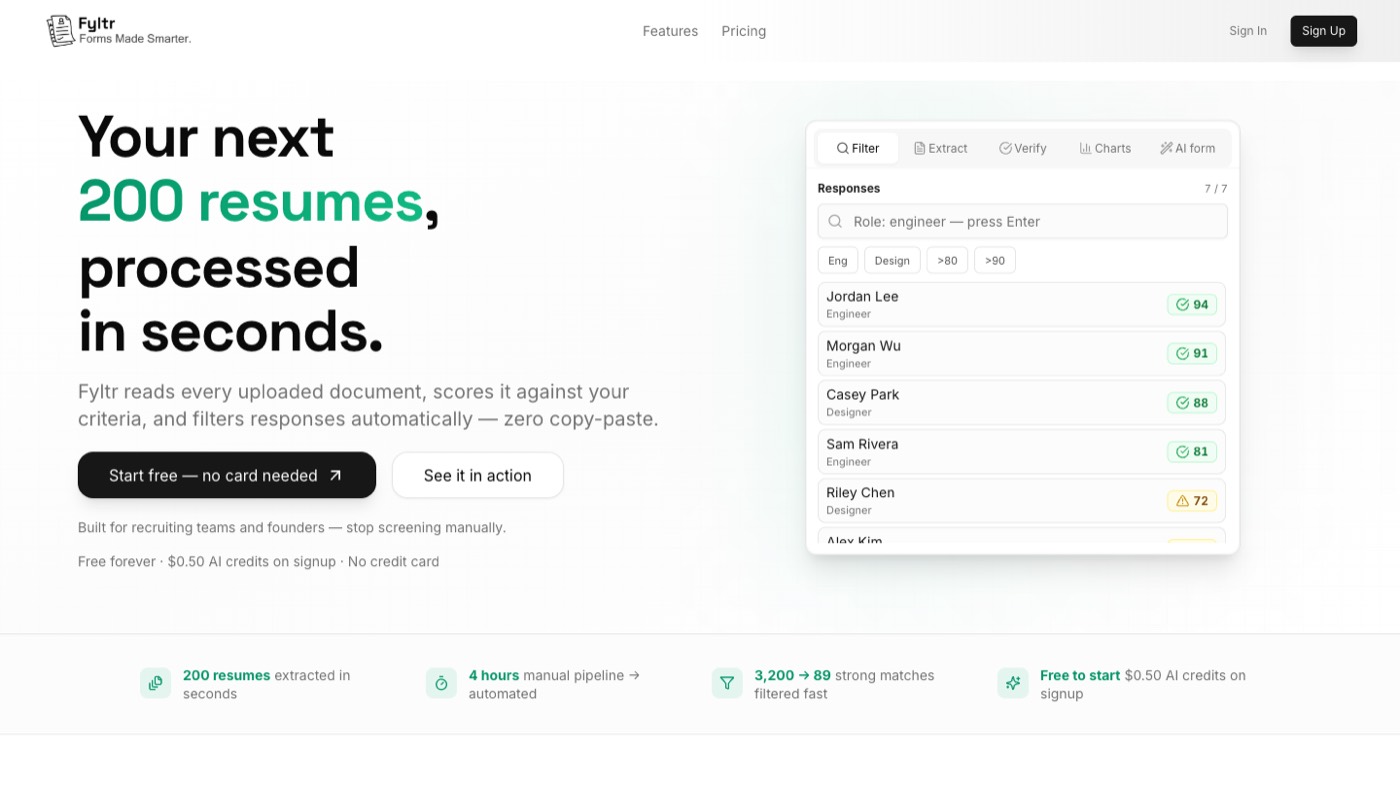 Read the story →FyltrFounded it, launched it, and failed to charge for it
 Read the story →Bolt-SQLText-to-SQL that answers before you look away
Recent chapters
Where the work happened, and what I owned while I was there.
Product Engineer · ImagineArt (Vyro)
Own the "embed ImagineArt everywhere" surface strategy, bringing generation into the tools creatives already work in.
Jun 2026 - Present
Founder & Lead Developer · Fyltr
Founded and solo-built Fyltr, an AI-native smart form builder with document extraction (fyltr-co.vercel.app).
Jul 2025 - May 2026
Senior AI Engineer · TraderWare (TradersGPT | Aiversity)
Built AI agents for real-time market analysis; context engineering work that cut token consumption.
Jul 2025 - Jun 2026
AI Engineer · FireBird Technologies
AutoAnalyst: natural language analytics over data, FastAPI, DSPy, Next.js, WebSockets.
Aug 2024 - Jun 2025
The integration layer is undervalued
People don't want to visit your agent. They want their agent to use your product, while they stay where they already are.
Every company is building a destination and assuming users will come to it. I think the durable position is being the thing an agent reaches for: desktop apps, connectors, plugin runtimes, MCP servers.
It's a moat because it isn't a model problem, so the labs won't solve it — and it doesn't demo well, so most founders won't touch it. Unglamorous and load bearing, which is usually where the value ends up.
What I'm obsessed with
Products people actually use, which in practice means products I use first. The CLI was slow tooling. The MCP server was debugging UI bugs from screen recordings. The form builder was work I was doing by hand. Shipping something and watching a stranger use it is the only feedback loop I've found that doesn't lie to you.
Where I learned it
CS at FAST-NUCES in Karachi, graduated June 2025. Most of what I actually use came from the people I've worked with over the last three years — leads and mentors who were generous, and juniors who ask the question everyone senior has quietly agreed to stop asking. The rest came from shipping.
What I know that isn't written down
Where plugin runtimes actually stop you. What the sandbox won't permit, which integrations look obvious and turn out to be impossible, and which constraints only surface in week three once you've committed to an approach. None of it is documented. You learn it by shipping and getting rejected.
Visual playground
Side quests, weekend builds and the experiments that never made it to a landing page.
More on GitHub5
Production plugin surfaces
120+
Tools orchestrated in one agent
2.3K
Signups on a zero-budget launch
Grab thirty minutes
Half an hour to talk about a role, a project, or something you’re building. Come with a question or come with nothing; both work.
- Length
- 30 minutes
- Where
- Google Meet
- Timezone
- Set it in the calendar